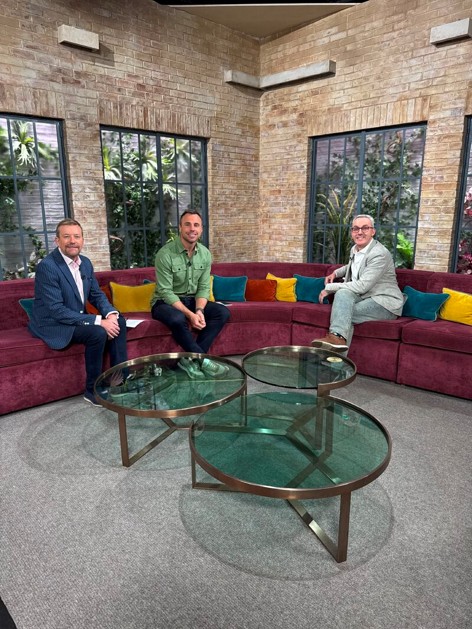
Professor McCrory Explores the Science of Biological Ageing on Ireland AM
Posted on 16 September 2026
The science of biological ageing was recently explored on Ireland AM, with a discussion highlighting how people of the same chronological age can experience very different rates of biological ageing.
Ageing is often thought about simply in terms of the number of birthdays we have celebrated. However, research into ageing has increasingly demonstrated that chronological age does not tell the whole story. Two people who are the same age can differ considerably in their biological health and ageing trajectories.
Biological ageing reflects a complex combination of factors, including our genes, environment, behaviours, social circumstances and experiences throughout the life course.
Understanding biological ageing
During the discussion, a number of key questions about biological ageing were explored, including:
- What exactly is biological ageing?
- Why do some people appear to age faster than others?
- Are there particular periods of life when ageing may accelerate?
- Can aspects of biological ageing be reversed?
- How can researchers measure biological ageing?
The conversation also explored biological ageing “clocks”, which are emerging research tools designed to provide insights into the biological processes associated with ageing.
While these measures are an exciting development in ageing research, they remain primarily research tools rather than routine clinical tests. Further research is needed before biological ageing measures can be reliably used to guide individual clinical decisions.
Bringing ageing research to the public
The Ireland AM discussion provided an opportunity to explore some of the latest developments in the field, while also highlighting the questions that researchers are continuing to investigate.
Many thanks to the Ireland AM presenters, including Alan Hughes and Tommy Bowe, and the production team for the opportunity to discuss this rapidly developing area of research.