

Professor Rose Anne Kenny Highlights the Future of Ageing and Care in Ireland
Posted on 11 June 2026
On Wednesday, 10 June 2026, Regius Professor Rose Anne Kenny, Founding Principal Investigator of TILDA, brought evidence from two decades of ageing research to both national audiences and policymakers through appearances on RTÉ Radio 1's Today with David McCullagh and before the Joint Oireachtas Committee on Health.
The discussions focused on one of Ireland's most important policy challenges: how to support people to live longer, healthier and more independent lives while enabling more people to remain living in their own homes and communities for as long as possible.
Professor Kenny was joined on RTÉ Radio 1 by Camille Loftus, Head of Advocacy and Public Affairs at Age Action. Later that same day, the Joint Oireachtas Committee on Health heard evidence from Professor Kenny, Age Action and ALONE on Ireland's health strategy for an ageing population and the development of care options beyond nursing homes.
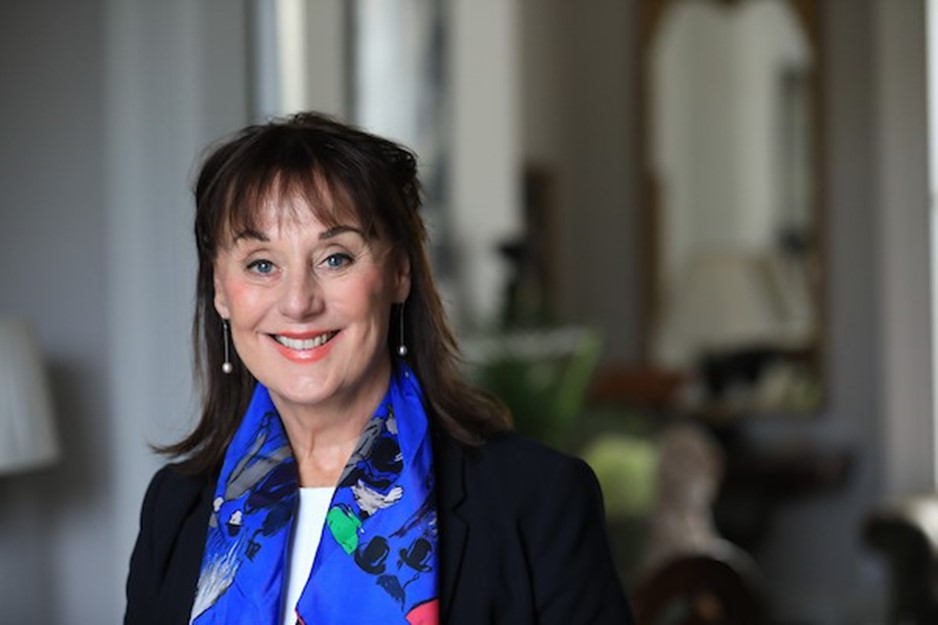
Pictured: Regius Professor Rose Anne Kenny.
Supporting People to Age Well
Appearing on RTÉ Radio 1's Today with David McCullagh on Wednesday 10th June, Professor Kenny discussed the increasing demand for home and community-based care services and the importance of supporting people to remain independent and connected to their communities as they age.
Drawing on findings from TILDA, she highlighted that while people are living longer than ever before, healthy life expectancy is not keeping pace with lifespan. Research from TILDA has repeatedly shown the importance of social connection, physical activity, volunteering, lifelong learning and community participation in supporting healthier and more fulfilling lives as we grow older.
Listen back to the interview:
RTÉ Radio 1 – Today with David McCullagh
Evidence at the Heart of Policy
Later that day, Professor Kenny addressed the Joint Oireachtas Committee on Health during a session examining Ireland's health strategy for an ageing population and the development of care options beyond nursing homes.
Drawing on evidence from TILDA, she outlined the significant demographic changes facing Ireland and the need for health and social care systems that better support ageing in place.
Professor Kenny noted that Ireland is among the fastest-ageing countries in Europe, with the population aged 65 and older projected to increase substantially over the coming years. She emphasised that extending healthy life expectancy, not simply lifespan, should be a central goal of future health policy.
She highlighted the importance of prevention, early detection and treatment of common conditions associated with ageing, including cardiovascular disease, dementia, frailty and falls.
Supporting Ageing in Place
A key theme of Professor Kenny's contribution was the importance of enabling older adults to remain living independently within their own homes and communities wherever possible.
Evidence from TILDA shows that most older adults wish to age in place, supported by a combination of family carers, community services and formal healthcare supports.
Professor Kenny highlighted the critical contribution of family carers and outlined a range of models that could help support independence and quality of life, including:
- Integrated Care Programmes for Older Persons (ICPOP)
- Community virtual wards
- Enhanced home support services
- Respite care for family carers
- Community-based retirement villages with integrated support services
- Expanded rehabilitation services in the community
She also stressed the need for investment in transport, age-friendly housing, community supports and a sustainable professional care workforce to meet the needs of Ireland's growing older population.
Informing Policy Through Research
Now celebrating its 20th anniversary, TILDA continues to provide vital evidence to inform policy and practice in Ireland and internationally.
As one of the world's most comprehensive longitudinal studies of ageing, TILDA's findings help shape understanding of how demographic change affects health, wellbeing, social participation and care needs across the life course.
Professor Kenny's contributions this week reinforced the importance of evidence-based planning as Ireland prepares for a future in which more people than ever before will live into older age.
As she told the Committee, the challenge is not simply helping people live longer, but ensuring that those additional years are healthier, more independent and more fulfilling.
Written by Dr Deirdre O'Connor, Research Communications Lead