

Researchers from TILDA contribute to British and Irish Longitudinal Studies of Ageing meeting in London
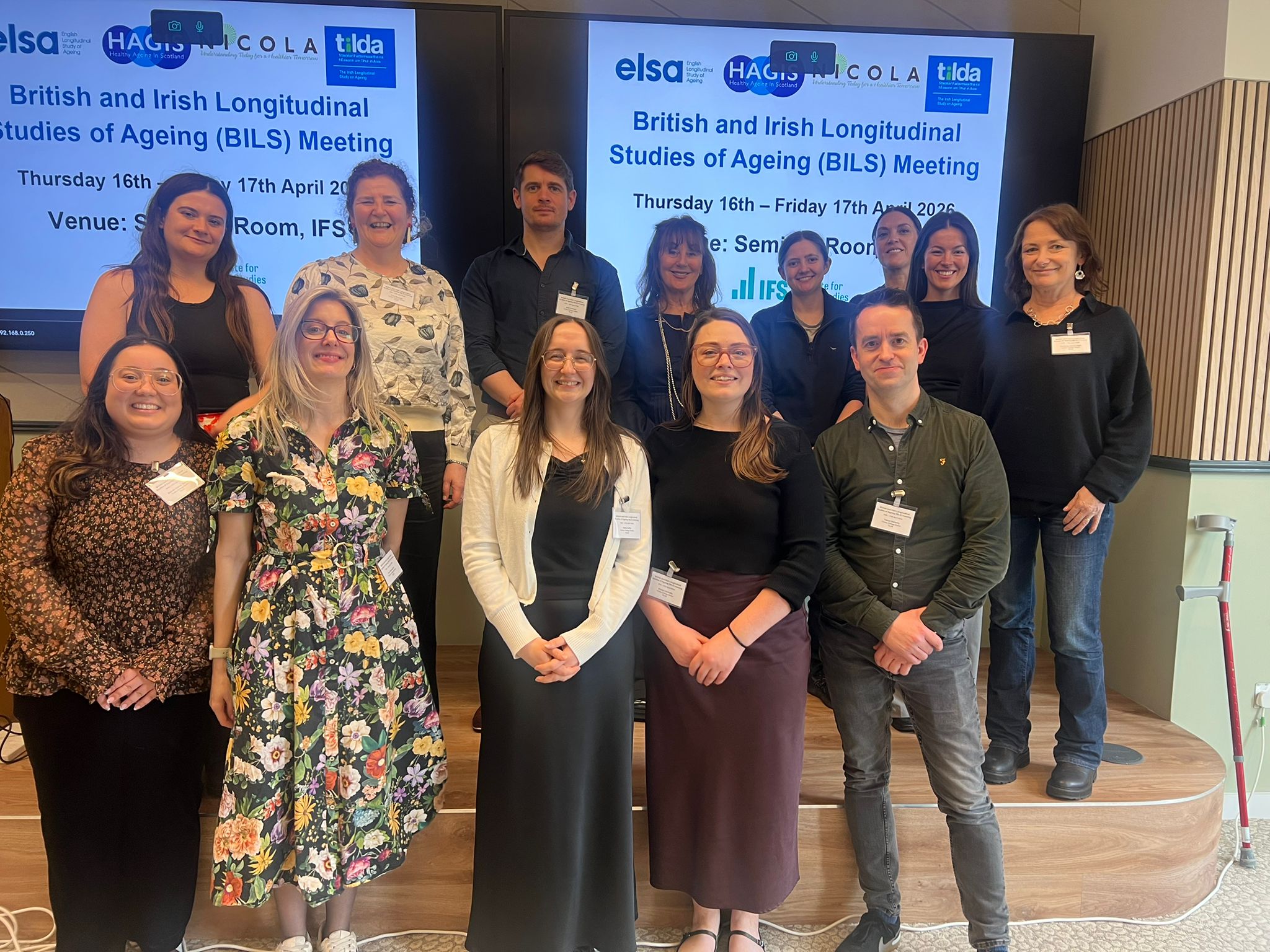
Researchers from The Irish Longitudinal Study on Ageing (TILDA) were delighted to participate in the British and Irish Longitudinal Studies of Ageing (BILS) meeting, held in London on 16–17 April 2026.
The meeting brought together leading longitudinal ageing studies, including the English Longitudinal Study of Ageing (ELSA), The Northern Ireland Cohort for the Longitudinal Study of Ageing (NICOLA), and the Healthy Ageing in Scotland study (HAGIS), providing an important forum for collaboration and knowledge exchange.
Showcasing TILDA research
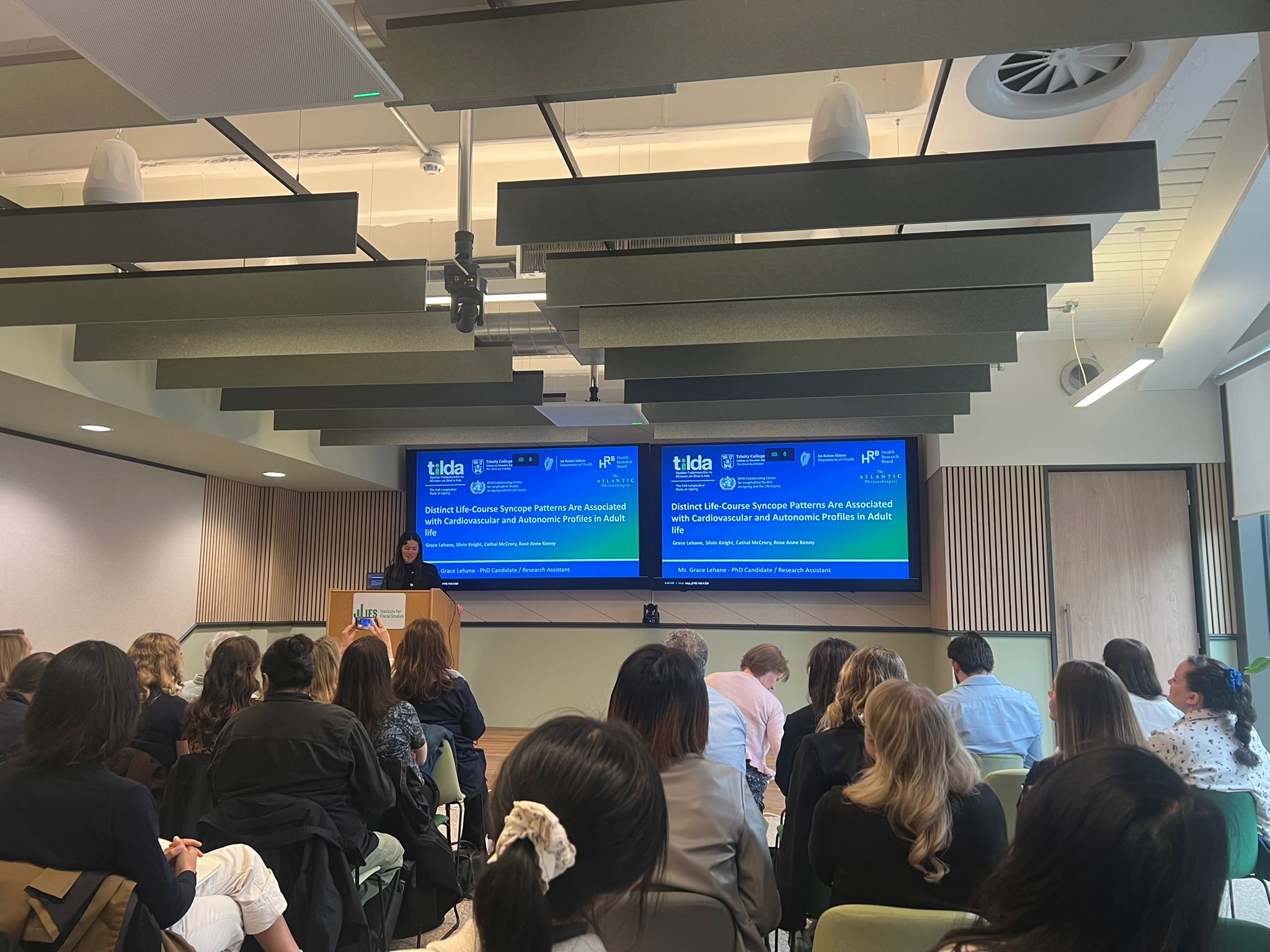
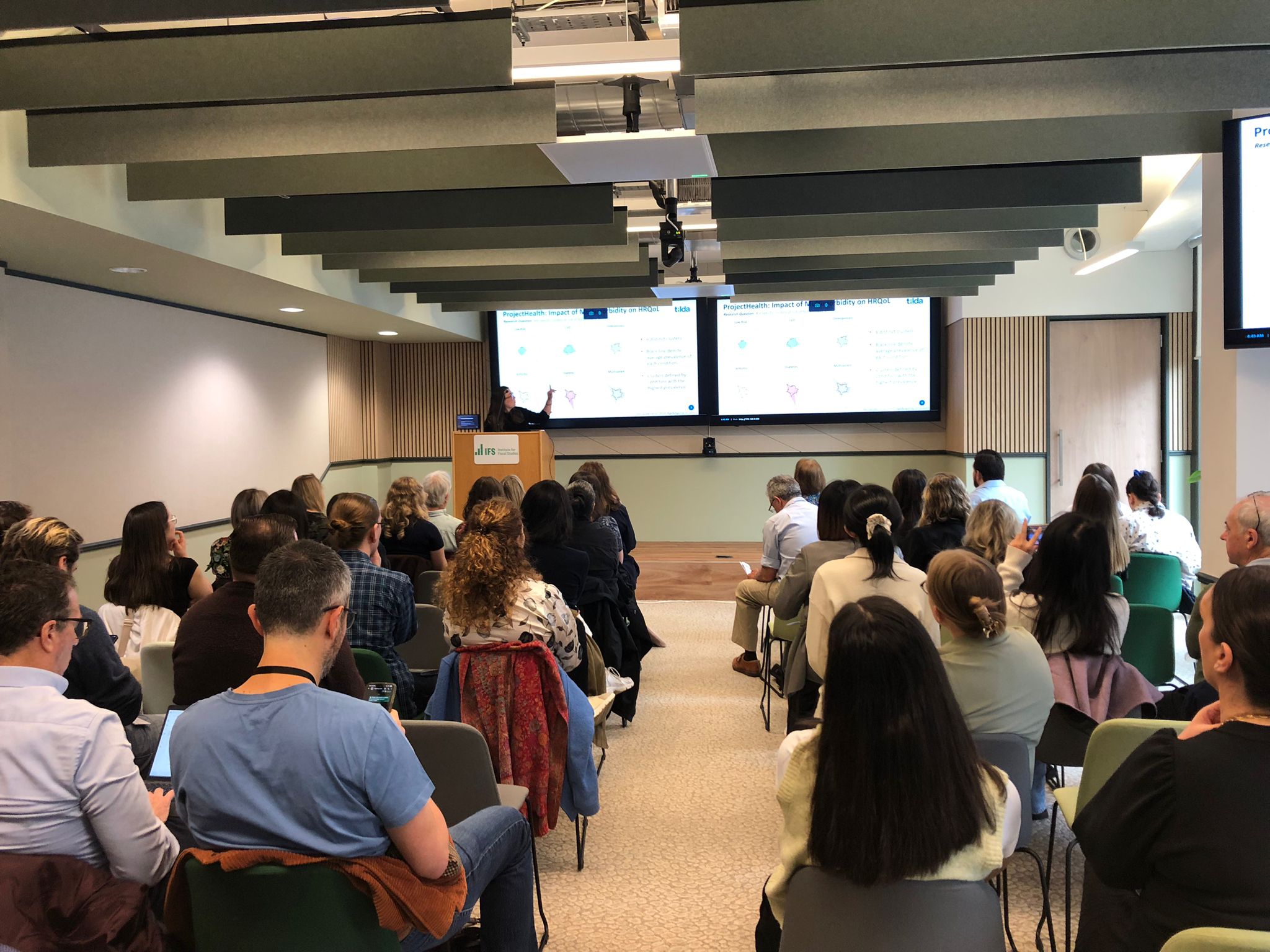
TILDA researchers contributed to a wide range of sessions across the two-day meeting, reflecting the breadth and depth of research within the study. Topics presented included biological and molecular mechanisms of ageing, cognitive health and dementia, physical activity, multimorbidity, mental health, and caregiving.
Professor Rose Anne Kenny also presented on innovation in health assessments and data collection, highlighting TILDA’s ongoing contribution to advancing longitudinal ageing research.
BILS Meeting, London – April 2026
Collaboration across international studies
The BILS meeting provides a valuable opportunity for researchers to share findings, explore methodological developments, and strengthen collaboration across international longitudinal studies of ageing.
Discussions across the programme highlighted shared challenges and opportunities, including understanding inequalities in ageing, supporting cognitive and mental health, and leveraging new approaches to data collection and analysis.
Building the evidence base for ageing
Collaboration between longitudinal studies such as TILDA, ELSA, NICOLA and HAGIS is essential to advancing understanding of ageing across different populations and policy contexts.
By working together, these studies contribute to a stronger evidence base to inform policies and practices that support healthy and positive ageing.
View the BILS meeting agenda HERE
Written by Dr Deirdre O'Connor, Research Communications Manager