

Data Collection
Methods
TILDA is built upon three fully integrated data collection methods, repeated approximately every two to four years, to capture a complete picture of our participants' lives. This longitudinal, multi-method approach provides a powerful, rich dataset for studying the complex process of ageing. The standard sequence begins with the CAPI interview, followed by the SCQ. In dedicated Health Waves (Waves 1, 3, 6, 8...), participants who complete both the CAPI and SCQ are then invited to the voluntary Detailed Health Assessment.
1. Face-to-Face Interviews (CAPI)

The Computer-Assisted Personal Interview (CAPI) is the first and most extensive part of the data collection process, conducted at every wave of TILDA. Conducted in the participant's home by a trained interviewer, this ensures high data quality and allows us to capture detailed, complex information across multiple domains.
Key Data Collected:
- Socio-economic Status: Income, assets, wealth, pensions, and housing arrangements.
- Early Life: Childhood health, education, and occupational history.
- Social & Family: Detailed mapping of social networks, family relationships, and caring responsibilities.
- Health & Healthcare: Self-reported emotional/physical health conditions and comprehensive health service utilization.
2. Self-Completion Questionnaires (SCQ)
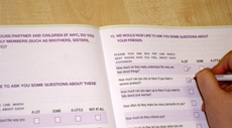
The SCQ is completed privately by the participant and mailed back to the TILDA research centre. This questionnaire is given only to those participants who have first completed the CAPI interview. This method allows us to gather highly personal or sensitive information in a confidential environment, which is crucial for collecting reliable data on topics like mental health and sensitive lifestyle behaviours.
Key Data Collected:
- Mental Health: Detailed measures of depression, anxiety, loneliness, and self-perceptions of ageing.
- Lifestyle: Sleep quality, dietary intake, and detailed physical activity levels.
- Sexual Health: Information on sexual activity and satisfaction (for selected waves).
- Cognitive Screening: Specific questionnaires related to subjective memory complaints and cognitive function.
3. Detailed Health Assessment & Biosamples
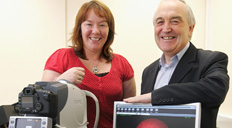
A voluntary, comprehensive health assessment is carried out by a trained nurse at a dedicated centre or via a mobile clinic. This assessment is offered to participants who have completed both the CAPI and SCQ during a designated Health Wave (e.g., Waves 1, 3, 6). The next assessment, Wave 8, is scheduled to commence in the Spring of 2027. Since Wave 3, the comprehensive assessments have taken place exclusively in the Dublin health assessment centre, though modified assessments are offered in the participants' homes where required. This provides objective, clinical-grade data that complements the self-reported information from the interviews.
Objective Physical Measures:
- Cardiovascular: Blood pressure, ECG, and assessment of heart rhythm.
- Mobility & Strength: Grip strength, balance, gait speed, and physical function measures.
- Sensory: Detailed vision, hearing, and oral health assessments.
- Cognition: Objective memory and cognitive function tests.
- Brain Health: Measurement of brain blood flow using specialised equipment.
Biosamples & Biomarkers:
Participants generously provide biosamples which allow us to analyse objective biomarkers of the ageing process.
- Samples Collected: Blood, stools, hair, and saliva.
- Storage: All samples are processed and stored under strict quality controls at the St James’s Hospital TILDA Biorepository.
- Analysis: Biomarker analysis includes genetic factors, inflammatory markers, and nutritional status.
Data Integration: By combining data from the CAPI, SCQ, and Health Assessment, TILDA provides a unique, multi-layered view of the determinants of healthy ageing.